2026 Guide to the Best Leather Sofas for Australian Homes
February 25, 2026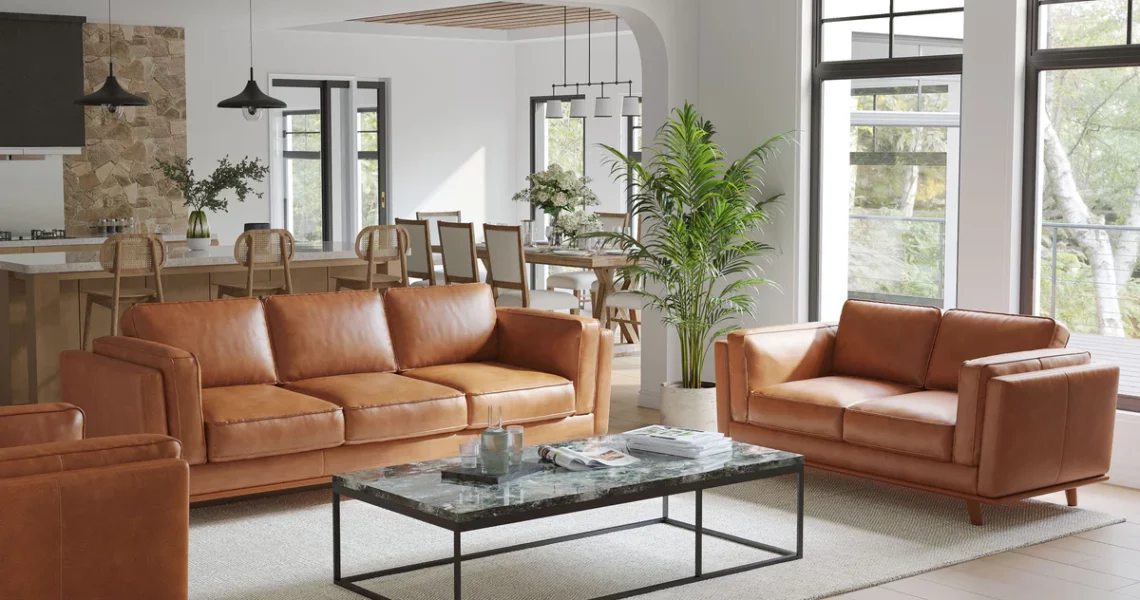
What makes a leather sofa “best” for Australian conditions?
The best leather sofa for Australian homes is one that handles heat, sunlight, and real life without cracking, sagging, or looking tired in a year. They should prioritise quality leather, a stable hardwood or engineered frame, and cushioning that matches how the household lounges.
Warm climates and big windows are common, so UV exposure matters. When choosing from the best leather sofas, a sofa that sits in direct sun needs smarter placement, window coverings, or a leather finish that is easier to maintain. Homes with kids, pets, or frequent guests usually benefit from more forgiving leather and higher seat durability.
Which leather type should they choose: aniline, semi-aniline, or pigmented?
Most Australian households do best with semi-aniline or pigmented leather because both resist stains and fading better than pure aniline. Aniline feels the most natural and luxe, but it marks easily and needs careful placement away from sun and spills.
Semi-aniline keeps much of the soft feel while adding a light protective finish. Pigmented leather has the strongest surface coating, so it is typically the easiest for busy homes, rentals, and family rooms. If their priority is effortless upkeep, pigmented often wins.
How can they tell if the leather is genuinely high quality?
High-quality leather should feel consistent, smell natural, and show even colouring without plastic-like shine. They should ask what hide type is used (top-grain vs split), how it is finished, and whether the supplier shares leather specifications rather than vague marketing terms.
Top-grain and full-grain are generally stronger than split leather bonded to a backing. If the price looks too good for “full leather,” it may mean leather-match, where only the front-facing areas are real leather and the rest is vinyl. That can still be fine, but it should be disclosed.
What frame and suspension details matter most in 2026?
A strong frame and reliable suspension are what keep a leather sofa comfortable after the showroom glow fades. They should look for kiln-dried hardwood or quality engineered timber with reinforced corner blocks, plus suspension designed for long-term support.
For suspension, sinuous springs are common and can be excellent if heavy-gauge and well-spaced. Webbing can be comfortable too, but quality varies a lot. If their household sits for hours each night, the internal build matters more than the leather finish.
What cushion fill feels best for Australian lounging habits?
For most homes, high-resilience foam wrapped in fibre offers the best balance of comfort, shape retention, and low maintenance. Feather or down feels plush, but it needs regular fluffing and can look untidy fast in high-use spaces.
If they like a firmer, “sit up” feel for entertaining, they should lean toward firmer foam densities. If they want deep movie-night comfort, deeper seats and softer tops work well, but they should confirm the sofa still supports the lower back.
Which leather sofa styles suit common Australian interiors?
Modern Australian homes often suit clean-lined modulars, relaxed coastal silhouettes, or mid-century shapes with timber legs. The best style is the one that matches the room scale and how people move through it, not just the trend of the year.
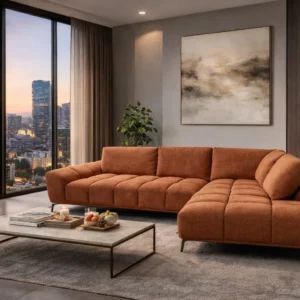
For open-plan living, modular leather sofas can zone a space without looking heavy. For apartments, slimmer arms and raised legs help a room feel larger. For heritage homes, tufted or classic roll-arm styles can add warmth without needing a full traditional fit-out.
What are the best leather sofa picks by household type?
The “best” leather sofa changes depending on how they live, so matching the sofa to the household is the fastest way to get a win. These are the most reliable categories to shop in for Australian homes.
Family homes with kids
They should prioritise pigmented or semi-aniline leather, darker tones, and supportive cushions that do not slump. A chaise or modular helps spread wear and makes the sofa feel practical rather than precious.
Pet owners
They should look for thicker top-grain leather and avoid ultra-delicate aniline if claws and zoomies are part of daily life. Regular nail trims matter more than most shoppers expect, and a throw on the pet’s favourite spot saves the arms and seat edge.
Apartments and smaller living rooms
They should choose compact two or 2.5-seaters, slimmer arms, and raised legs to keep visual space. Leather helps here because it reads “lighter” than bulky fabric, especially in tan, saddle, or warm grey tones.
Entertainers and open-plan layouts
They should consider a modular with a corner piece or chaise to create a natural conversation zone. Semi-aniline is often the sweet spot, as it looks elevated but is less stressful during food and drink-heavy nights.
How should they choose the right size and layout?
They should measure the room, map walkways, and check doorways before falling in love with a model name. Leather sofas often have thicker arms and deeper profiles, so a sofa that fits on paper can still feel oversized in the space.
A practical method is to tape the outline on the floor and confirm clearance around coffee tables and TV units. If they are choosing a modular, they should confirm the configuration works with the room’s power points, windows, and traffic flow.
What colours work best in Australian homes right now?
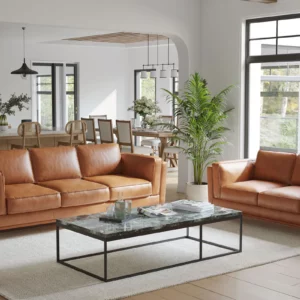
Warm neutrals like tan, caramel, and saddle remain the safest choices because they hide wear gracefully and suit timber floors. Charcoal and black can look sharp, but they may show dust and can feel heavy in bright rooms.
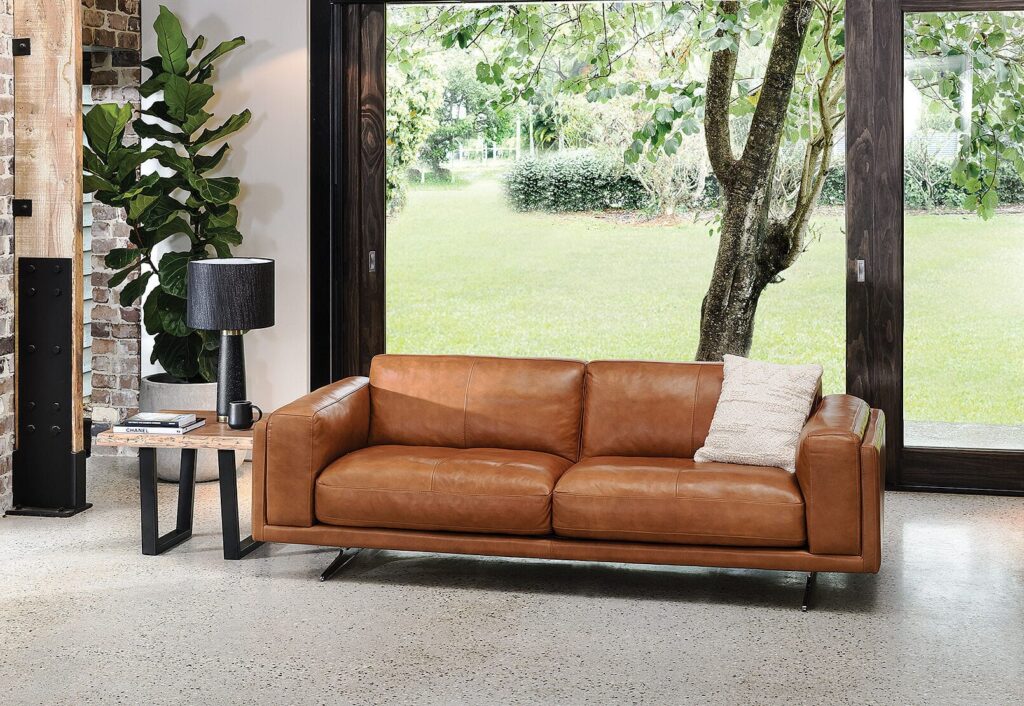
Lighter colours like cream or pale grey can look stunning in coastal or minimalist spaces, but they require more careful maintenance. If their room gets strong sunlight, mid-tones tend to age better than very dark or very light finishes.
How can they maintain a leather sofa without overcomplicating it?
They can keep leather looking great with simple habits: weekly dusting, quick wipe-downs, and gentle cleaning when spills happen. Most households only need a dedicated leather cleaner a few times per year, as over-conditioning can cause build-up and dullness.
They should keep the sofa out of direct sun where possible and avoid harsh household cleaners. If the leather starts to feel dry, a conditioner suited to that leather finish can help, but the key is using the right product for aniline versus protected leather.
What should they check before buying in-store or online?
They should confirm the leather type, whether it is full leather or leather-match, and what warranty covers the frame, suspension, and leather itself. Comfort is personal, so they should sit like they lounge, not just perched on the edge for 20 seconds.
Online shoppers should check return policies, delivery access requirements, and whether the sofa is assembled or modular. They should also request swatches, because leather colour and sheen can change a lot under Australian light.
How should they balance budget and value in 2026?
They should spend where it lasts: frame, suspension, and quality leather on the parts they touch. A cheaper leather sofa that sags quickly costs more in the long run than a well-built model that holds shape for years.
If the budget is tight, they can prioritise a smaller high-quality sofa over a large low-quality one. Another smart approach is choosing leather-match from a reputable brand with solid construction, as long as it is clearly disclosed and fits their expectations.
What is the simplest way for them to pick the best leather sofa?
They should start by choosing the right leather finish for their lifestyle, then confirm construction quality, and only then decide on style and colour. If the household is busy, semi-aniline or pigmented leather plus a strong frame is usually the most dependable combination.
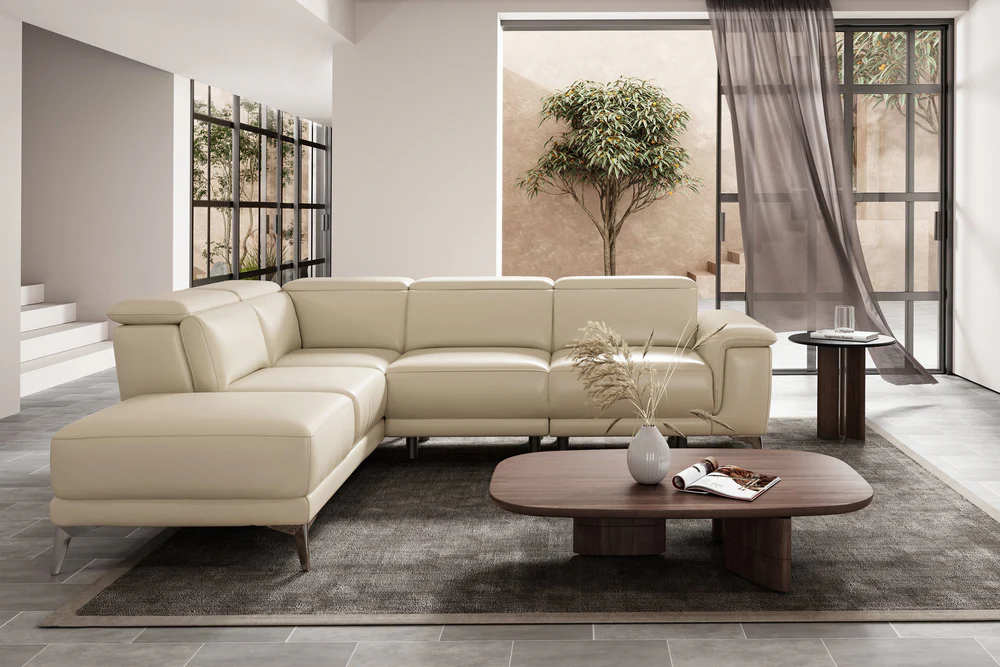
Once those basics are locked in, the best leather sofa becomes the one that fits the room, feels right to sit on, and stays easy to live with for years. Learn more about best corner sofas for open-plan living in 2026.
FAQs (Frequently Asked Questions)
What makes a leather sofa the best choice for Australian homes?
The best leather sofa for Australian homes is one that withstands heat, sunlight, and daily wear without cracking or sagging. It should feature quality leather, a stable hardwood or engineered frame, and cushioning tailored to how the household lounges. Considering UV exposure and practical placement or window coverings is essential, especially in warm climates with big windows.
Which type of leather is most suitable for everyday use in Australian households: aniline, semi-aniline, or pigmented?
Most Australian households benefit from semi-aniline or pigmented leather as they resist stains and fading better than pure aniline. Aniline offers a natural feel but requires careful placement away from sun and spills. Semi-aniline balances softness with light protection, while pigmented leather provides the strongest surface coating, making it ideal for busy homes and easier upkeep.
How can I identify high-quality leather when shopping for a sofa?
High-quality leather should have a consistent feel, natural smell, and even colouring without a plastic-like shine. Ask about the hide type (top-grain vs split), finishing process, and request detailed leather specifications rather than vague marketing terms. Top-grain and full-grain leathers are generally stronger; be cautious of ‘full leather’ claims that may include vinyl backing.
What frame and suspension features ensure long-lasting comfort in a leather sofa?
Look for sofas with kiln-dried hardwood or quality engineered timber frames reinforced with corner blocks. Reliable suspension systems like heavy-gauge sinuous springs spaced well provide excellent support. Webbing can be comfortable but varies in quality. For households where people sit for hours nightly, internal build quality matters more than just the leather finish.
Which cushion fill is ideal for typical Australian lounging habits?
High-resilience foam wrapped in fibre offers the best balance of comfort, shape retention, and low maintenance for most homes. Feather or down cushions feel plush but require regular fluffing and may look untidy in high-use areas. For firmer support suited to entertaining, firmer foam densities are recommended; deeper seats with softer tops work well for relaxed movie nights if adequate lower back support is maintained.
How do I choose the right size and layout for a leather sofa in my Australian home?
Measure your room carefully, map out walkways, and check doorways before selecting a sofa. Leather sofas often have thicker arms and deeper profiles that can make them feel oversized despite fitting on paper. Taping the sofa’s outline on the floor helps confirm clearance around coffee tables and TV units. For modular sofas, ensure configurations suit power points, windows, and traffic flow to optimize space usage.